Breathing Peaks, Listening Valleys

Today we step into Soundscapes of the Mountains: Field Recording and Deep Listening Practices, inviting your ears to follow wind-carved ridgelines and glacier murmurs. On a frost-bitten dawn I learned patience when a raven’s wingbeat eclipsed my breathing. Pack curiosity, carry kindness, and join our listening journey; subscribe, share your recordings, and ask questions.

Preparing Ears and Gear for Altitude

High places ask for more than equipment; they ask for attention trained to thin air, sudden weather, and the hush between gusts. We will ready body and kit together, balancing weight, warmth, battery life, and composure. Bring your questions about windscreens, low-noise preamps, and sturdy boots, and leave a note describing your favorite ritual before pressing record at dawn.

Building a Quiet Mind

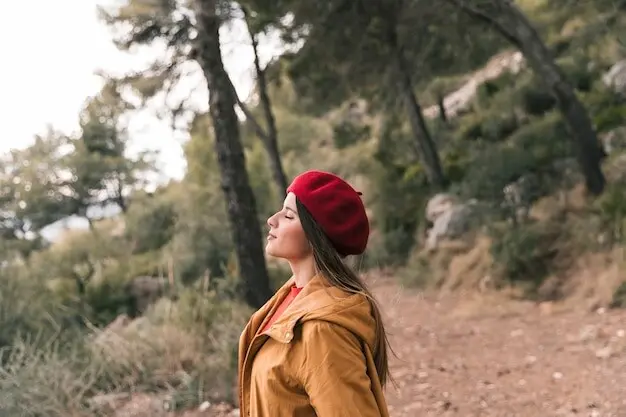
Before levels and gain staging, pause beside the trail and let breath lengthen until footsteps dissolve into the slope’s steady pulse. A simple practice of stillness tunes perception, revealing small signatures like grass whisper, snowflake hiss, and distant water. Share how you settle your thoughts outdoors, and which sounds first greet you when your inner chatter softens.

Choosing Microphones for Weather and Wind

Spaced omnis welcome spacious valleys, while a well-protected shotgun can sketch a single pika call against tumbling scree. Mid-side offers control when editing, and a full blimp with a generous fur frees recordings from buffeting. Consider preamp self-noise in quiet basins, bring extra layers for foam and fur, and tell us which pair handled your fiercest ridge gusts.

Packing Smart, Moving Light

Altitude punishes extravagance, so trim every gram without starving your practice. Stash batteries close to body heat, slip silica gel with microphones, and duplicate cards rather than regrets. Label files at camp while memory is fresh, and map bail-out spots before clouds build. Add your packing list in the comments, saving another hiker-engineer from unnecessary strain and missed moments.

Dawn Choruses Above the Tree Line

Predawn frost releases a quiet theater where accentors, pipits, and occasional ptarmigan write bright syllables across mauve sky. Thermals have not yet gathered, so wind is merciful and microphones breathe easily. Begin recording before first color, and stay through the moment snowfields blush. Tell us about your earliest start, and the note that convinced you to stay ten minutes longer.

Rock, Ice, and Water as Instruments

Granite plates tick as temperature shifts, rills clap tiny polyrhythms, and old ice groans beneath a woven lid of air bubbles. Stand downwind from a moraine’s slow rattle, or lower a hydrophone into a tarn fed by melt. Each surface holds its own timbre and tempo. Share a surprising texture you captured where geology and weather collaborated without rehearsal.

Silence That Isn’t Silent

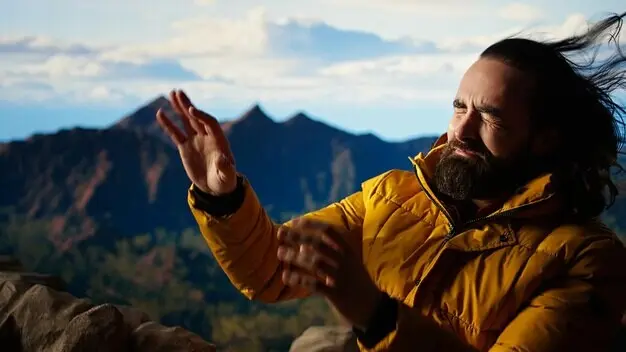
Alpine quiet is not absence; it is a low threshold where small events arrive with ceremony. Insects sketch arrhythmic Morse, lichens crackle under thaw, and a hawk’s glide writes pressure on your cheeks. Practice listening in widening circles, then narrowing to a single pulse. Describe the faintest sound you have ever noticed, and how it changed your sense of scale.

Techniques for Immersive Capture
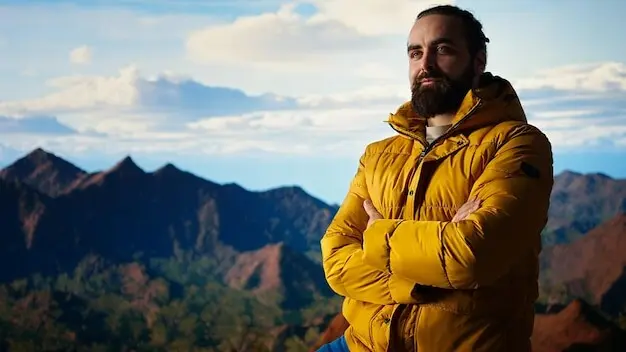
Translate space faithfully by pairing method with terrain. AB reveals breadth in basins, ORTF frames a ridge path, mid-side ensures steerable intimacy, and ambisonics envelopes the whole saddle for later decoding. Binaural elevates footsteps into choreography. Contact mics find hidden tremors in fences, ice, and cairns. Tell us your go-to array for switchbacks, gullies, or clifftop seats at sunset.

Ethics, Safety, and Respect

Listening is a form of presence that carries responsibility. Give wildlife space, avoid nesting cliffs, and follow seasonal closures. Seek local guidance, honor Indigenous stewardship, and collect stories with consent when humans enter the frame. Prepare for hypothermia, altitude sickness, and storms that sprint. Share your safety checklist and the small courtesies that kept your practice welcome on shared ground.

From Raw Takes to Living Archives

After the hike, stewardship continues at the desk. Back up in three places, catalog with meaningful names, and embed notes about elevation, weather, microphones, and moods. Edit lightly to preserve truth, or clearly mark creative treatments. Build collections others can navigate. Invite listeners to comment with timecodes and impressions, turning solitary hikes into shared learning for the next expedition.

Metadata That Remembers Air Pressure

Great notes rescue context months later. Record latitude, longitude, altitude, time of civil dawn, temperature, wind speed, barometric pressure, mic model, array pattern, and subjective impressions. Photograph the setup and horizon. Use consistent schemas for filenames and tags. Share your template or script for batch embedding, so archives remain searchable, generous, and ready for collaboration or future scientific inquiry.

Editing That Preserves Honesty

Gentle fades, transparent denoising, and careful clicks repair can honor reality without varnish. Document each change, and avoid compositing species that never coexisted. Keep raw takes accessible for study. When you craft narrative albums, label interventions openly. Post an example of a respectful restoration you are proud of, and the line you draw between faithful documentation and expressive interpretation.

Publishing Pathways and Community Feedback

Share selections on platforms welcoming long-form listening, annotate with maps, and invite listeners to respond with field notes of their own. Consider open licenses for educational use, or editions whose proceeds support trail maintenance. Host listening parties with headphones. Tell us where you publish, which communities offered constructive critique, and how those conversations shaped your next mountain session and editing approach.

Deep Listening Practices in the Peaks

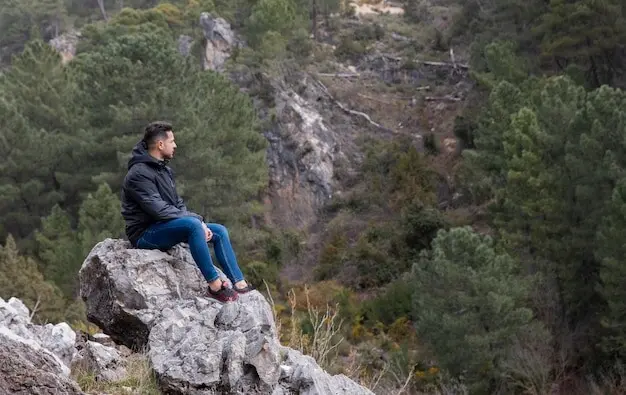
Cultivate awareness that expands beyond recording into a lifelong companionship with place. Guided by practices that invite attention, you may sit for an hour beside a snow patch and feel time dilate. Write reflections, sketch soundmaps, and close with gratitude. Offer your favorite exercise that unlocks subtler layers, and invite others to try it on their next quiet ascent.
Ravotaririnoluma
Privacy Overview

This website uses cookies so that we can provide you with the best user experience possible. Cookie information is stored in your browser and performs functions such as recognising you when you return to our website and helping our team to understand which sections of the website you find most interesting and useful.